

Soybean Breeding Research at Kennesaw State Gets NSF Support |
SoyWatch grant backs battery-free crop sensors and wireless research |
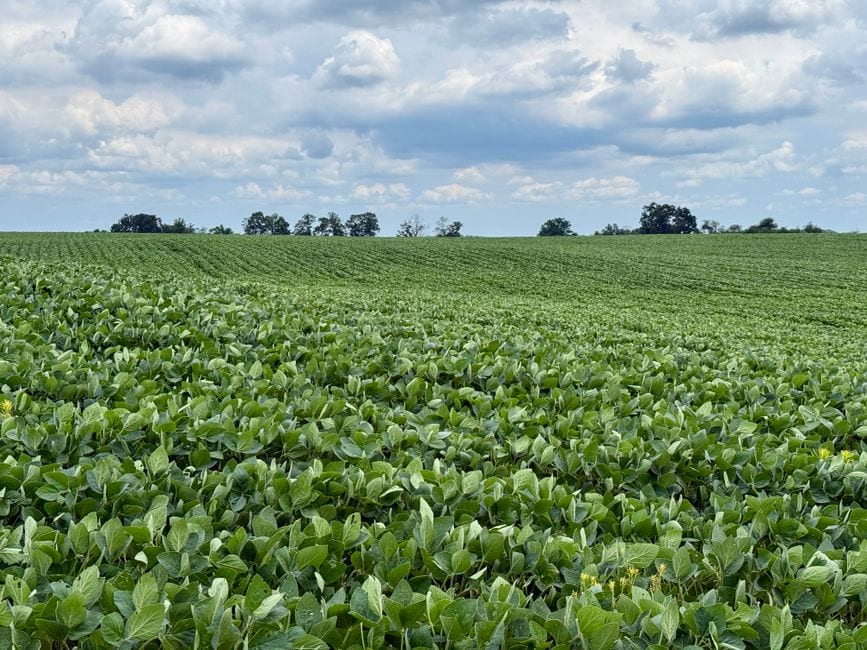
Kennesaw State University is part of a $660,000 National Science Foundation collaboration that aims to make soybean fields easier to monitor without frequent manual checks. The university announced the project, called SoyWatch, in a news release on October 27.
Kennesaw State's share of the award is $131,863, and the university lists the NSF award number as 2549204. Researchers in Georgia, Missouri, Tennessee and India are involved, with partners that include the University of Missouri, the University of Memphis and institutions in India that the university does not name.
What SoyWatch is designed to doSoybean breeders need reliable information about how plants respond to field conditions as they choose varieties for future seasons. SoyWatch combines wireless sensors with artificial intelligence to help supply it. Precision breeding depends on comparing many plants under many conditions, and gathering that information by hand is slow.
Soil sensors collect data on growing conditions and send it wirelessly to collection devices on towers, drones or ground vehicles. Software then analyzes the readings to flag possible problems, such as nutrient deficiencies or disease.
Zhang says the goal is evidence-based recommendations, so growers and breeders can understand what is happening in a field and make better decisions. That is the project's aim, not a tool the university says anyone can buy or use today. |
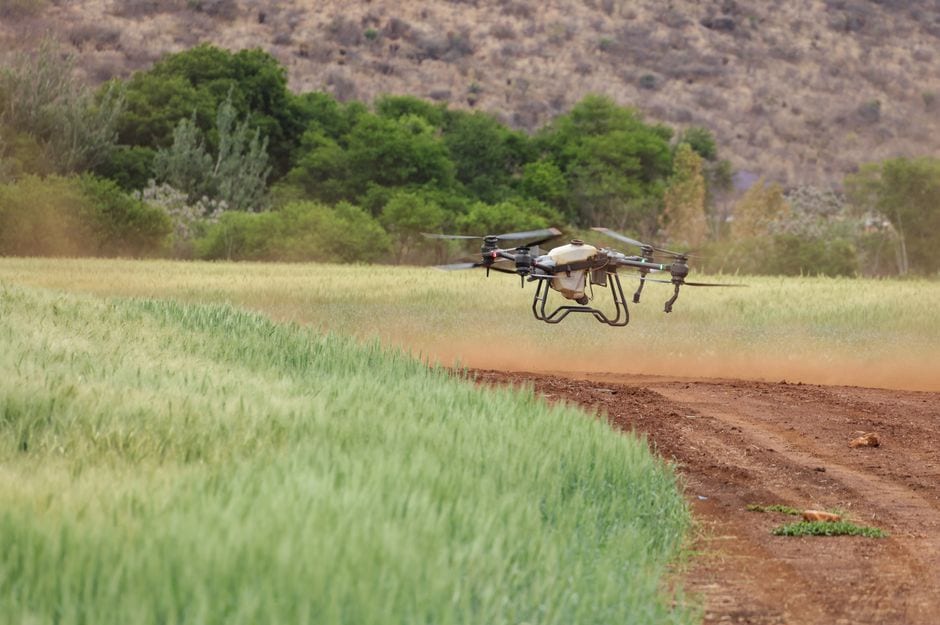 Photo by Magda Ehlers on Pexels. Illustrative image of a drone over a crop field; not a SoyWatch device. |
Kennesaw State's roleJian Zhang, an associate professor of information technology, leads Kennesaw State's contribution. Her team is developing a battery-free wireless communication system that can send data over longer distances and let several sensors communicate at the same time.
The university says the design should reduce maintenance needs. A field-scale network can become hard to manage if every device needs regular hands-on attention. The announcement gives no range, power or performance figures. In principle, a link that reaches farther and serves several sensors at once could mean fewer collection points across a field, although the university does not claim that.
The work is housed in Kennesaw State's College of Computing and Software Engineering, which supplies the information technology expertise for the collaboration.
What is and is not confirmedThe funding and the planned engineering work are confirmed. The university's account does not include a project schedule, a deployment plan or any test results, and a grant alone does not show that the system has improved yields or cut costs.
Zhang hopes the technology could eventually support other crops, including Georgia peanuts. The university presents that as a hope, not a stated plan.
Why it matters in KennesawThe project shows federal science funding reaching a Kennesaw institution and connecting its faculty with researchers at other universities. Low-maintenance communication between devices is also a key piece of many monitoring systems beyond farming.
Readers who want to follow the funding can look up NSF award number 2549204 on the foundation's award search site. For the project itself, start with the university's announcement. Watch for field results, clearer deployment plans and evidence of how accurately the system detects crop conditions as the research moves forward. |




0 Comments
Join the conversation
Be the first to comment
Share your thoughts above.